Introduction
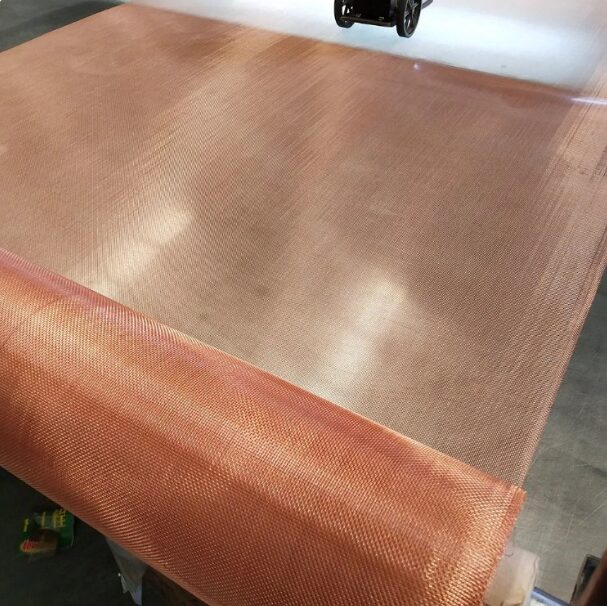
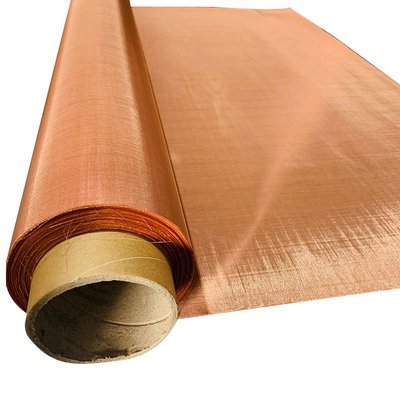
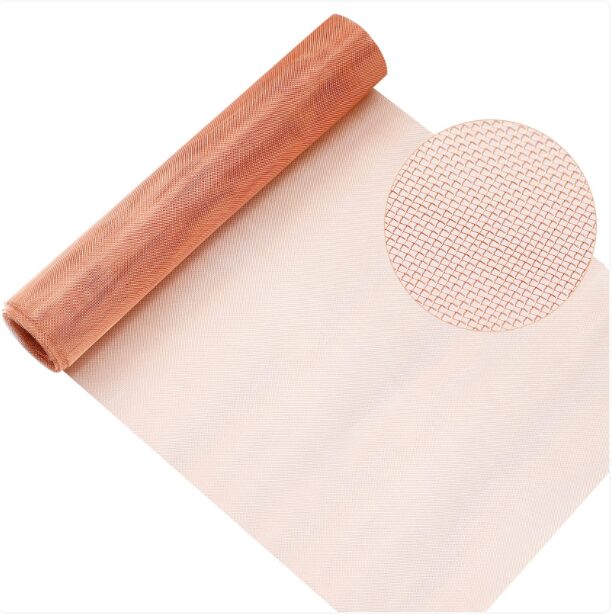
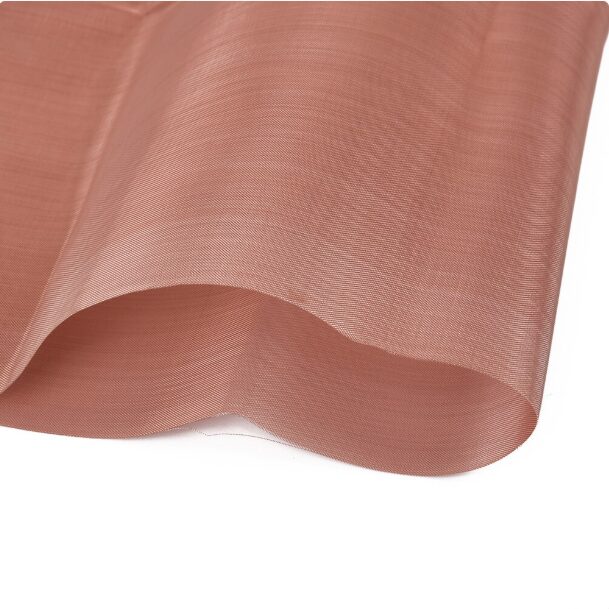
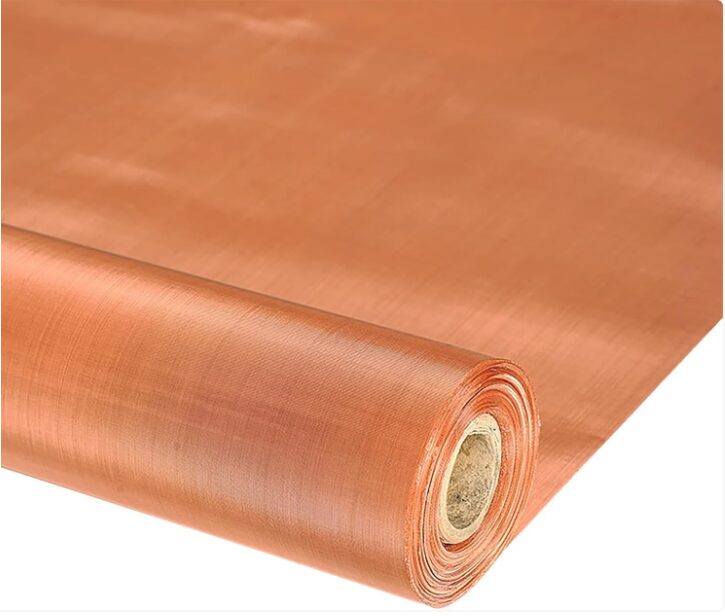
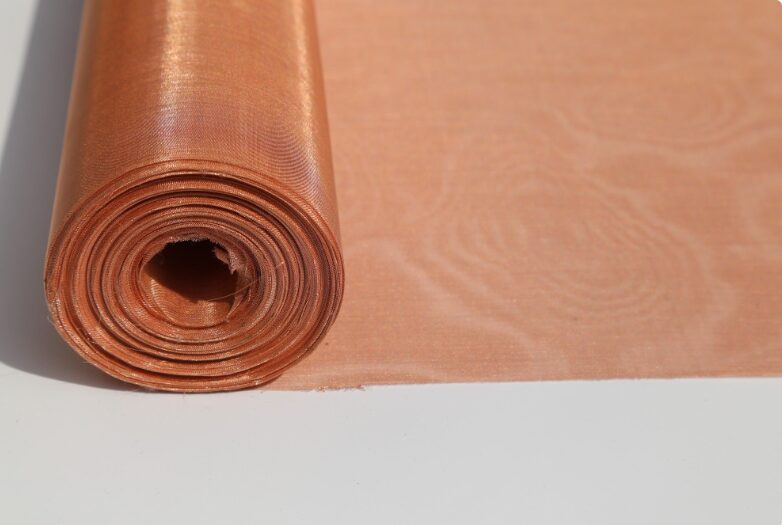
Premium copper wire mesh filter screens stand out as a top-tier choice for filtration applications across a broad spectrum of industries. From mining, metallurgy, shipping, and automotive sectors to petroleum, chemical engineering, chemical fiber production, papermaking, printing, textiles, rubber manufacturing, and food processing, these filters deliver reliable performance. Their versatility shines through in filtering and separating various substances, including air, liquids, solids, gases, petroleum products, water, particles, powders, porcelain clay, grains, sugar, salt, animal feed, fertilizers, and even tobacco ash in pipes.
The key advantages of these copper mesh filters lie in their uniformly distributed, continuous mesh openings, robust structural integrity, and exceptional wear resistance. These features enable them to effectively trap unwanted gases, liquids, and granules, ensuring the high purity of the filtered materials. Additionally, the inherent corrosion resistance of copper makes these filters well-suited for handling corrosive gases and liquids, maintaining stable functionality in harsh environments. Beyond filtration, they also excel at regulating the flow of substances such as lubricating oil, fuel oil, and granular powders.
Product Variations
To meet the diverse demands of different operating environments, copper wire mesh filters are available in a range of configurations, including woven copper mesh filter discs, copper filter tubes, copper filter caps, and copper filter mesh baskets. The filter discs, in particular, offer extensive customization options:
Mesh Counts: Ranging from 2×2 to 300×300, with popular specifications including 20, 40, 60, 80, 100, 120, 150, 180, 200, and 250 mesh.
Shapes: Round, square, rectangular, toroidal, oval, and other custom shapes.
Sizes: Fully customizable, accommodating everything from small to large dimensions.
Layers: Single-layer, double-layer, three-layer, and multi-layer designs.
Edge Treatments:
No edge (mesh-only filter discs)
Metal edges (available in stainless steel, steel, aluminum, brass, etc.)
Rubber edges
| Mesh |
Wire diameter |
Aperture/Opening |
| Inch |
MM |
Inch |
MM |
| 1X1 |
0.08 |
2.03 |
0.92 |
23.37 |
| 2X2 |
0.063 |
1.6 |
0.437 |
11.1 |
| 3X3 |
0.054 |
1.37 |
0.279 |
7.09 |
| 4X4 |
0.063 |
1.6 |
0.187 |
4.75 |
| 4X4 |
0.047 |
1.19 |
0.203 |
5.16 |
| 5X5 |
0.041 |
1.04 |
0.159 |
4.04 |
| 6X6 |
0.035 |
0.89 |
0.132 |
3.35 |
| 8X8 |
0.028 |
0.71 |
0.097 |
2.46 |
| 10X10 |
0.025 |
0.64 |
0.075 |
1.91 |
| 10X10 |
0.02 |
0.51 |
0.08 |
2.03 |
| 12X12 |
0.023 |
0.584 |
0.06 |
1.52 |
| 12X12 |
0.02 |
0.508 |
0.063 |
1.6 |
| 14X14 |
0.023 |
0.584 |
0.048 |
1.22 |
| 14X14 |
0.02 |
0.508 |
0.051 |
1.3 |
| 16X16 |
0.018 |
0.457 |
0.0445 |
1.13 |
| 18X18 |
0.017 |
0.432 |
0.0386 |
0.98 |
| 20X20 |
0.02 |
0.508 |
0.03 |
0.76 |
| 20X20 |
0.016 |
0.406 |
0.034 |
0.86 |
| 24X24 |
0.014 |
0.356 |
0.0277 |
0.7 |
| 30X30 |
0.013 |
0.33 |
0.0203 |
0.52 |
| 30X30 |
0.012 |
0.305 |
0.0213 |
0.54 |
| 30X30 |
0.009 |
0.229 |
0.0243 |
0.62 |
| 35X35 |
0.011 |
0.279 |
0.0176 |
0.45 |
| 40X40 |
0.01 |
0.254 |
0.015 |
0.38 |
| 50X50 |
0.009 |
0.229 |
0.011 |
0.28 |
| 50X50 |
0.008 |
0.203 |
0.012 |
0.31 |
| 60X60 |
0.0075 |
0.191 |
0.0092 |
0.23 |
| 60X60 |
0.007 |
0.178 |
0.0097 |
0.25 |
| 70X70 |
0.0065 |
0.165 |
0.0078 |
0.2 |
| 80X80 |
0.0065 |
0.165 |
0.006 |
0.15 |
| 80X80 |
0.0055 |
0.14 |
0.007 |
0.18 |
| 90X90 |
0.005 |
0.127 |
0.0061 |
0.16 |
| 100X100 |
0.0045 |
0.114 |
0.0055 |
0.14 |
| 100X100 |
0.004 |
0.102 |
0.006 |
0.15 |
| 100X100 |
0.0035 |
0.089 |
0.0065 |
0.17 |
| 110X110 |
0.004 |
0.1016 |
0.0051 |
0.1295 |
| 120X120 |
0.0037 |
0.094 |
0.0046 |
0.1168 |
| 150X150 |
0.0026 |
0.066 |
0.0041 |
0.1041 |
| 160X160 |
0.0025 |
0.0635 |
0.0038 |
0.0965 |
| 180X180 |
0.0023 |
0.0584 |
0.0033 |
0.0838 |
| 200X200 |
0.0021 |
0.0533 |
0.0029 |
0.0737 |
| 250X250 |
0.0016 |
0.0406 |
0.0024 |
0.061 |
| 300X300 |
0.0015 |
0.0381 |
0.0018 |
0.0457 |
FAQ
Material & Core Advantages
Q1: What are the main types of premium copper used in wire mesh filter screens, and their unique properties?
A1: The common premium copper materials include pure copper (C11000, 99.99% copper content) and brass (alloy of copper and zinc, e.g., C26000 cartridge brass). Pure copper boasts excellent electrical conductivity, thermal conductivity, and malleability, with natural antimicrobial properties that inhibit the growth of bacteria, mold, and algae—ideal for hygiene-sensitive applications. Brass offers higher mechanical strength and wear resistance than pure copper, along with good corrosion resistance in mild environments, making it suitable for heavy-duty filtration scenarios. Both materials have a distinctive aesthetic appeal, adding value to decorative filtration applications.
Q2: What makes premium copper wire mesh filter screens stand out from stainless steel counterparts?
A2: Premium copper wire mesh has three key advantages: First, superior antimicrobial performance—copper ions actively destroy microbial cell membranes, making it perfect for water purification, food processing, and medical equipment where hygiene is critical. Second, better thermal conductivity—copper mesh dissipates heat faster, suitable for high-temperature filtration (e.g., exhaust systems, industrial furnaces) without performance degradation. Third, unique aesthetic and electrical properties—its warm metallic luster fits decorative filtration (e.g., architectural grilles, furniture screens), and high conductivity enables use in electromagnetic shielding applications. Note that copper is less corrosion-resistant than 316 stainless steel in harsh environments, so material selection depends on the working condition.
Q3: How to choose the right mesh count and wire diameter for premium copper wire mesh screens?
A3: Mesh count (wires per inch) determines filtration precision, while wire diameter affects structural strength. For coarse filtration (removing large debris, leaves in water tanks), choose 10-60 mesh with a wire diameter of 0.3-0.8mm for durability. For medium filtration (e.g., oil filtration, air purification in HVAC systems), 80-150 mesh with 0.15-0.25mm wire diameter balances precision and flow rate. For fine filtration (e.g., laboratory equipment, beverage processing), 200-400 mesh with 0.08-0.12mm wire diameter is recommended. For decorative or shielding purposes, prioritize mesh count to achieve the desired visual density or electromagnetic shielding efficiency, paired with wire diameter based on structural needs.
Q4: What is the maximum operating temperature for premium copper wire mesh filter screens?
A4: The temperature resistance varies by material: pure copper wire mesh can withstand continuous operating temperatures up to 200℃; beyond this range, it may soften and lose structural stability. Brass wire mesh has slightly higher heat resistance, tolerating up to 250℃ continuously. For short-term high-temperature exposure (e.g., intermittent exhaust filtration), pure copper can endure up to 300℃ and brass up to 350℃, but prolonged exposure at these temperatures will reduce lifespan. Avoid using copper mesh in environments exceeding 350℃, as it may cause oxidation, deformation, or melting. For high-temperature applications beyond this range, opt for heat-treated copper alloys or alternative materials.
Q5: How to install premium copper wire mesh screens to prevent damage and ensure sealing?
A5: First, cut the mesh 1-2cm larger than the installation frame to allow uniform tensioning, avoiding excessive stretching that may deform wires. Ensure the installation surface is smooth and free of burrs to prevent scratching the mesh (scratches can accelerate oxidation). Use non-corrosive fasteners (e.g., copper screws, stainless steel clips with rubber gaskets) to fix the mesh evenly, ensuring no gaps between the mesh and frame—gaps may allow unfiltered media to bypass. For curved or cylindrical installations, gently bend the mesh (copper’s malleability facilitates shaping) and secure joints with soldering (for pure copper) or brazing (for brass) for a tight seal. Avoid welding copper mesh unless using specialized techniques, as high heat can weaken the material.
Q6: How to maintain premium copper wire mesh screens to prevent oxidation and extend service life?
A6: Copper naturally oxidizes over time (developing a patina), which can affect appearance but not filtration performance—patina even forms a protective layer against further corrosion. To preserve the original luster: 1) For dry environments, wipe regularly with a soft cloth to remove dust; avoid abrasive cleaners. 2) For wet environments, rinse with clean water after use and dry thoroughly to prevent water spots. 3) To remove oxidation or patina, use a mild copper cleaner (e.g., lemon juice mixed with salt) or specialized copper polish, then rinse and dry immediately. Avoid using harsh chemicals (acids, alkalis) that may corrode the mesh. For outdoor or high-humidity applications, apply a thin layer of anti-oxidation spray (e.g., clear lacquer) to slow patina formation—ensure the spray is food-safe if used in food-related filtration.
Q7: In which industries are premium copper wire mesh filter screens most suitable?
A7: They excel in industries leveraging their unique properties: 1) Water treatment & plumbing—antimicrobial properties make them ideal for drinking water filters, pool screens, and fountain filters. 2) Food & beverage—hygienic and non-toxic, suitable for juice filtration, beer brewing, and food processing equipment. 3) HVAC & ventilation—thermal conductivity and filtration precision work for air conditioning filters, exhaust systems, and dust removal. 4) Electronics—high conductivity enables electromagnetic shielding in devices, along with dust filtration for circuit boards. 5) Architecture & decoration—aesthetic appeal fits window screens, decorative grilles, and furniture accents. 6) Laboratory & medical—fine mesh options for sample filtration and sterile environments.
Q8: What are the limitations of premium copper wire mesh filter screens?
A8: The main limitations are related to corrosion resistance and cost: 1) Poor resistance to strong acids, alkalis, and chloride environments (e.g., seawater, coastal areas)—copper corrodes quickly in these conditions, so avoid use or pair with a protective coating. 2) Lower abrasion resistance than stainless steel—unsuitable for filtering abrasive particles (e.g., sand, metal shavings) that may wear down wires. 3) Higher cost than standard stainless steel mesh—premium copper materials and processing increase upfront costs. 4) Temperature constraints—cannot be used in high-temperature environments exceeding 350℃. For these scenarios, 316L stainless steel or other corrosion-resistant alloys are more suitable.