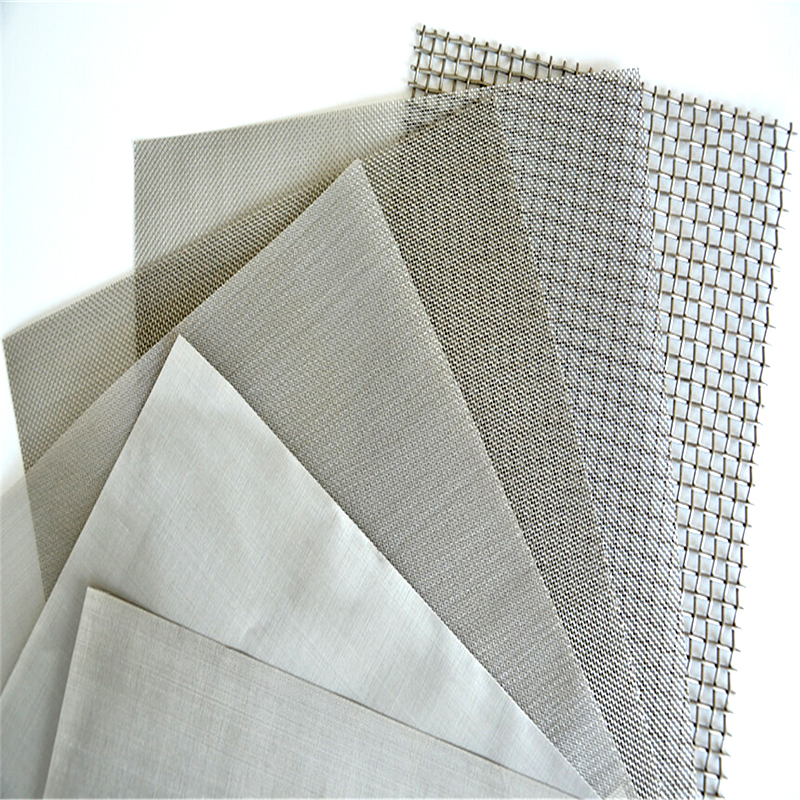
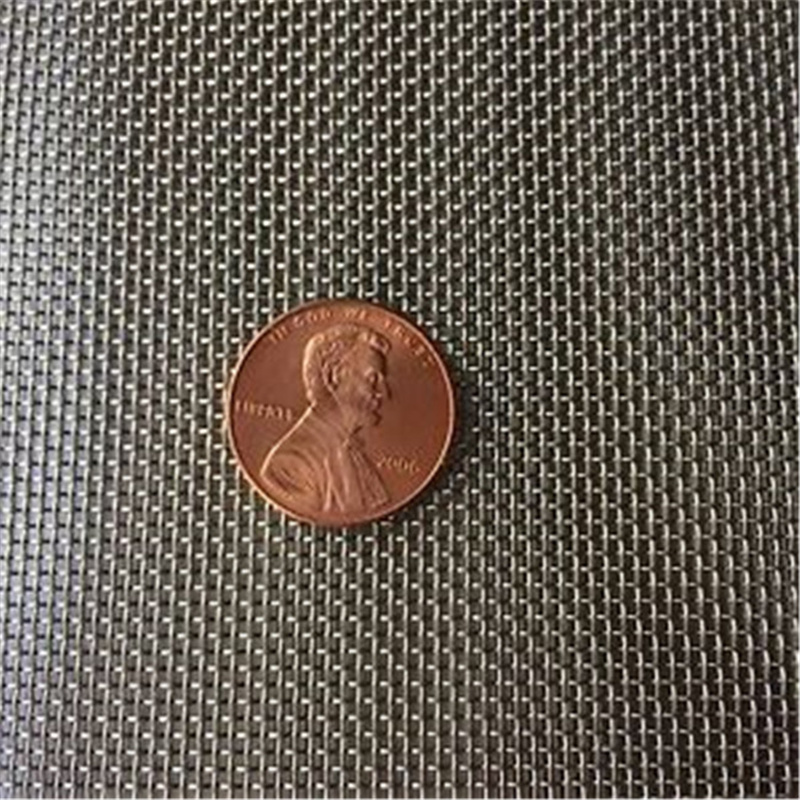
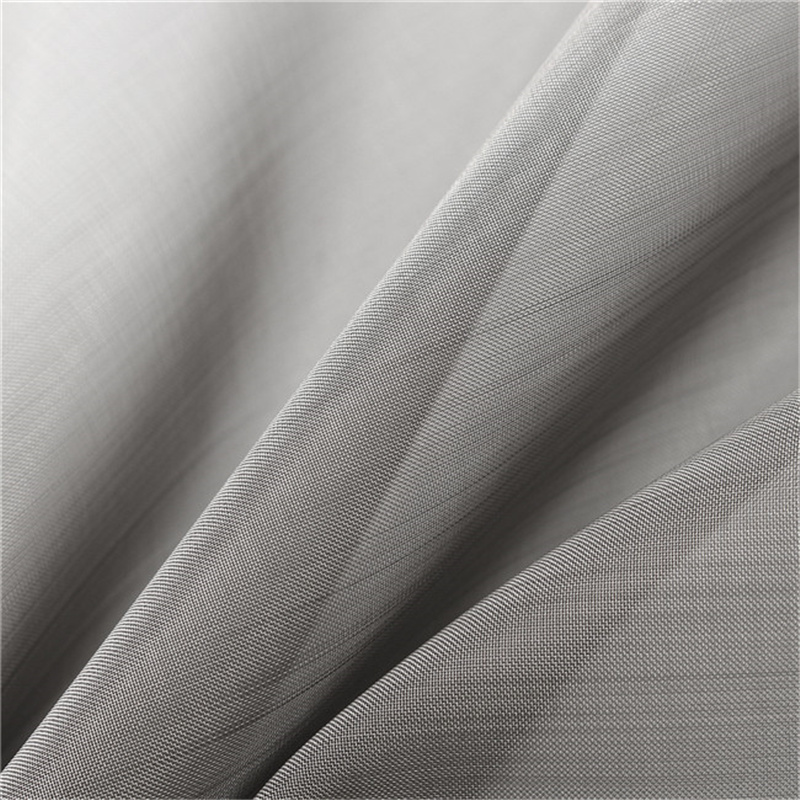
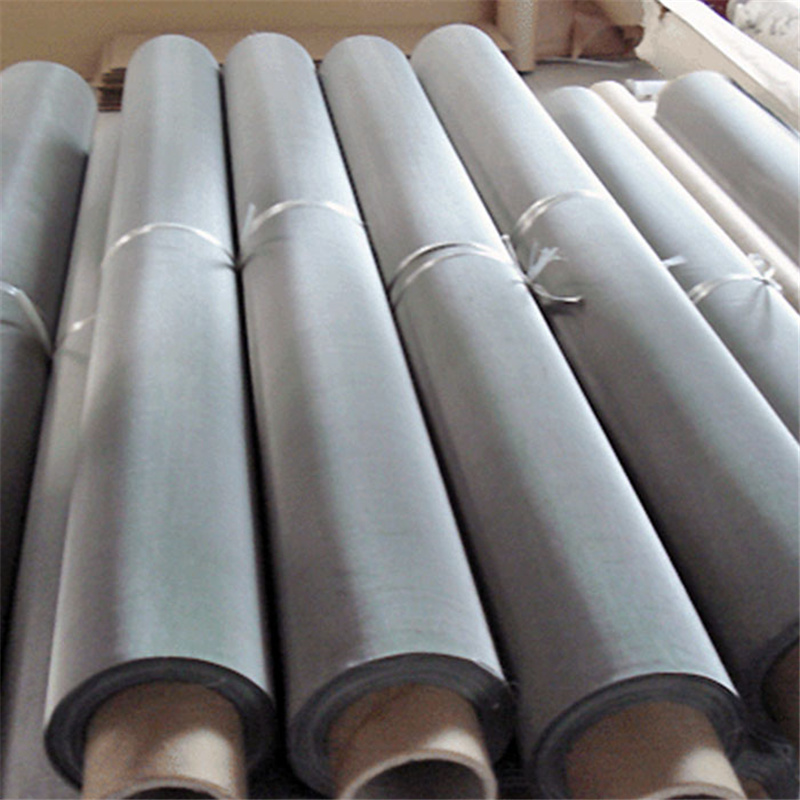
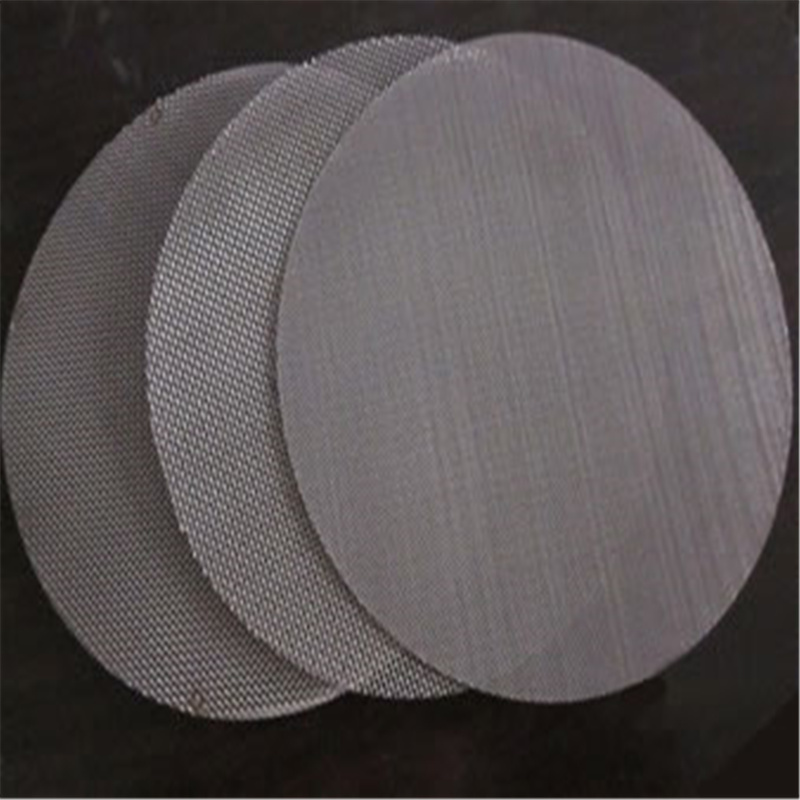
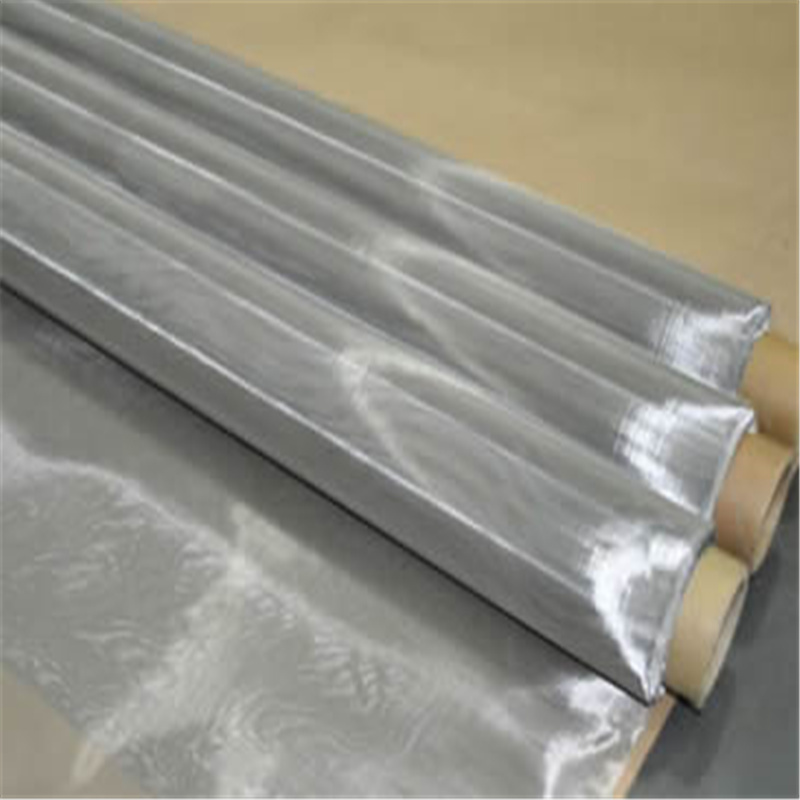
stainless steel filter mesh stands as a cornerstone among metal woven meshes, celebrated for its reliability and wide-ranging applications across industries. Crafted with high-precision mechanical equipment and state-of-the-art weaving techniques, this mesh type boasts uniform mesh openings and excellent permeability, making it an indispensable component in manufacturing mesh screens, filter elements, filter discs, and more. A key advantage lies in the use of metallic wires with superior corrosion resistance and wear resistance, which not only extend the service life of the mesh but also enhance its overall performance in demanding environments.
The technical parameters of Stainless steel filter mesh are meticulously engineered to meet varying filtration and separation needs. Below is a comprehensive overview of the key specifications, including mesh count, wire diameter, mesh opening size, and open area percentage, with measurements provided in both inches and millimeters for convenience.
| Stainless steel filter mesh |
| Model |
Mesh Count
(Warp × Weft) |
Wire Diameter
(Inch) |
Wire Diameter
(mm) |
Mesh Opening
(Inch) |
Mesh Opening
(mm) |
Open Area (%) |
| PW-0185 |
1 × 1 |
0.08 |
2.03 |
0.92 |
23.37 |
85 |
| PW-0178 |
1 × 1 |
0.118 |
3 |
0.882 |
22.4 |
78 |
| PW-0276 |
2 × 2 |
0.063 |
1.6 |
0.437 |
11.1 |
76 |
| PW-0278 |
2 × 2 |
0.059 |
1.5 |
0.441 |
11.2 |
78 |
| PW-0370 |
3 × 3 |
0.054 |
1.37 |
0.279 |
7.09 |
70 |
| PW-0374 |
3 × 3 |
0.047 |
1.2 |
0.286 |
7.27 |
74 |
| PW-0471 |
4 × 4 |
0.039 |
1 |
0.211 |
5.35 |
71 |
| PW-0466 |
4 × 4 |
0.047 |
1.19 |
0.203 |
5.16 |
66 |
| PW-0456 |
4 × 4 |
0.063 |
1.6 |
0.187 |
4.75 |
56 |
| PW-0565 |
5 × 5 |
0.039 |
1 |
0.161 |
4.08 |
65 |
| PW-0563 |
5 × 5 |
0.041 |
1.04 |
0.159 |
4.04 |
63 |
| PW-0662 |
6 × 6 |
0.035 |
0.9 |
0.131 |
3.33 |
62 |
| PW-0662 |
6 × 6 |
0.035 |
0.89 |
0.132 |
3.35 |
62 |
| PW-0761 |
7 × 7 |
0.031 |
0.8 |
0.111 |
2.83 |
61 |
| PW-0860 |
8 × 8 |
0.028 |
0.71 |
0.097 |
2.46 |
60 |
| PW-1056 |
10 × 10 |
0.025 |
0.64 |
0.075 |
1.91 |
56 |
| PW-1058 |
10 × 10 |
0.024 |
0.6 |
0.076 |
1.94 |
58 |
| PW-1252 |
12 × 12 |
0.023 |
0.584 |
0.06 |
1.52 |
52 |
| PW-1258 |
12 × 12 |
0.02 |
0.508 |
0.063 |
1.6 |
58 |
| PW-1255 |
12 × 12 |
0.022 |
0.55 |
0.062 |
1.57 |
55 |
| PW-1446 |
14 × 14 |
0.023 |
0.584 |
0.048 |
1.22 |
46 |
| PW-1452 |
14 × 14 |
0.02 |
0.508 |
0.051 |
1.3 |
52 |
| PW-1651 |
16 × 16 |
0.018 |
0.457 |
0.0445 |
1.13 |
51 |
| PW-1647 |
16 × 16 |
0.02 |
0.5 |
0.043 |
1.09 |
47 |
| PW-1848 |
18 × 18 |
0.017 |
0.432 |
0.0386 |
0.98 |
48 |
| PW-1842 |
18 × 18 |
0.02 |
0.5 |
0.036 |
0.91 |
42 |
| PW-2036 |
20 × 20 |
0.02 |
0.508 |
0.03 |
0.76 |
36 |
| PW-2046 |
20 × 20 |
0.016 |
0.406 |
0.034 |
0.86 |
46 |
| PW-2047 |
20 × 20 |
0.016 |
0.4 |
0.034 |
0.87 |
47 |
| PW-2042 |
20 × 20 |
0.018 |
0.45 |
0.032 |
0.82 |
42 |
| PW-2444 |
24 × 24 |
0.014 |
0.356 |
0.0277 |
0.7 |
44 |
| PW-2445 |
24 × 24 |
0.014 |
0.35 |
0.028 |
0.71 |
45 |
| PW-3037 |
30 × 30 |
0.013 |
0.33 |
0.0203 |
0.52 |
37 |
| PW-3041 |
30 × 30 |
0.012 |
0.305 |
0.0213 |
0.54 |
41 |
| PW-3053 |
30 × 30 |
0.009 |
0.229 |
0.0243 |
0.62 |
53 |
| PW-3050 |
30 × 30 |
0.01 |
0.25 |
0.023 |
0.6 |
50 |
| PW-4036 |
40 × 40 |
0.01 |
0.254 |
0.015 |
0.38 |
36 |
| PW-4003 |
40 × 40 |
0.008 |
2 |
0.017 |
0.44 |
3 |
| PW-5030 |
50 × 50 |
0.009 |
0.229 |
0.011 |
0.28 |
30 |
| PW-5037 |
50 × 50 |
0.008 |
0.203 |
0.012 |
0.31 |
37 |
| PW-5042 |
50 × 50 |
0.007 |
0.18 |
0.013 |
0.33 |
42 |
| PW-6030 |
60 × 60 |
0.0075 |
0.191 |
0.0092 |
0.23 |
30 |
| PW-6034 |
60 × 60 |
0.007 |
0.178 |
0.0097 |
0.25 |
34 |
| PW-6038 |
60 × 60 |
0.006 |
0.16 |
0.01 |
0.26 |
38 |
| PW-7030 |
70 × 70 |
0.0065 |
0.165 |
0.0078 |
0.2 |
30 |
| PW-7044 |
70 × 70 |
0.005 |
0.12 |
0.01 |
0.24 |
44 |
| PW-8023 |
80 × 80 |
0.0065 |
0.165 |
0.006 |
0.15 |
23 |
| PW-8039 |
80 × 80 |
0.005 |
0.12 |
0.008 |
0.2 |
39 |
| PW-8035 |
80 × 80 |
0.005 |
0.13 |
0.007 |
0.19 |
35 |
| PW-9031 |
90 × 90 |
0.005 |
0.127 |
0.0061 |
0.16 |
31 |
| PW-10030 |
100 × 100 |
0.0045 |
0.114 |
0.0055 |
0.14 |
30 |
| PW-10035 |
100 × 100 |
0.004 |
0.102 |
0.006 |
0.15 |
35 |
| PW-10043 |
100 × 100 |
0.0035 |
0.089 |
0.0065 |
0.17 |
43 |
| PW-10036 |
100 × 100 |
0.004 |
0.1 |
0.008 |
0.15 |
36 |
| PW-10031 |
100 × 100 |
0.004 |
0.11 |
0.006 |
0.14 |
31 |
| PW-11031 |
110 × 110 |
0.004 |
0.102 |
0.0051 |
0.13 |
31 |
| PW-12031 |
120 × 120 |
0.0037 |
0.094 |
0.0064 |
0.12 |
31 |
| PW-12056 |
120 × 120 |
0.002 |
0.06 |
0.007 |
0.18 |
56 |
| PW-12033 |
120 × 120 |
0.004 |
0.09 |
0.005 |
0.12 |
33 |
| PW-12052 |
120 × 120 |
0.002 |
0.058 |
0.008 |
0.15 |
52 |
| PW-12038 |
120 × 120 |
0.003 |
0.08 |
0.005 |
0.13 |
38 |
| PW-14037 |
140 × 140 |
0.003 |
0.07 |
0.004 |
0.11 |
37 |
| PW-14555 |
145 × 145 |
0.002 |
0.045 |
0.005 |
0.13 |
55 |
| PW-15037 |
150 × 150 |
0.0026 |
0.066 |
0.0041 |
0.1 |
37 |
| PW-15042 |
150 × 150 |
0.002 |
0.06 |
0.004 |
0.11 |
42 |
| PW-15050 |
150 × 150 |
0.002 |
0.05 |
0.005 |
0.12 |
50 |
| PW-16036 |
160 × 160 |
0.0025 |
0.064 |
0.0038 |
0.1 |
36 |
| PW-16036 |
160 × 160 |
0.002 |
0.05 |
0.004 |
0.11 |
47 |
| PW-16056 |
160 × 160 |
0.002 |
0.04 |
0.005 |
0.12 |
56 |
| PW-16060 |
160 × 160 |
0.001 |
0.035 |
0.005 |
0.12 |
60 |
| PW-16544 |
165 × 165 |
0.002 |
0.05 |
0.004 |
0.1 |
44 |
| PW-18035 |
180 × 180 |
0.0023 |
0.058 |
0.0033 |
0.08 |
35 |
| PW-18041 |
180 × 180 |
0.002 |
0.05 |
0.004 |
0.09 |
41 |
| PW-18051 |
180 × 180 |
0.002 |
0.04 |
0.004 |
0.1 |
51 |
| PW-20034 |
200 × 200 |
0.0021 |
0.053 |
0.0029 |
0.07 |
34 |
| PW-20032 |
200 × 200 |
0.002 |
0.053 |
0.003 |
0.07 |
32 |
| PW-20038 |
200 × 200 |
0.002 |
0.05 |
0.003 |
0.08 |
38 |
| PW-20048 |
200 × 200 |
0.002 |
0.04 |
0.003 |
0.09 |
48 |
| PW-22034 |
220 × 220 |
0.002 |
0.05 |
0.003 |
0.07 |
34 |
| PW-23048 |
230 × 230 |
0.001 |
0.035 |
0.003 |
0.08 |
48 |
| PW-23053 |
230 × 230 |
0.001 |
0.03 |
0.003 |
0.08 |
53 |
| PW-25036 |
250 × 250 |
0.0016 |
0.041 |
0.0024 |
0.06 |
36 |
| PW-25036 |
250 × 250 |
0.002 |
0.04 |
0.002 |
0.06 |
36 |
| PW-25044 |
250 × 250 |
0.001 |
0.035 |
0.003 |
0.07 |
44 |
| PW-25049 |
250 × 250 |
0.001 |
0.03 |
0.003 |
0.07 |
49 |
| PW-27032 |
270 × 270 |
0.0016 |
0.041 |
0.0021 |
0.05 |
32 |
| PW-27040 |
270 × 270 |
0.001 |
0.035 |
0.002 |
0.06 |
40 |
| PW-27044 |
270 × 270 |
0.001 |
0.03 |
0.003 |
0.06 |
44 |
| PW-28040 |
280 × 280 |
0.001 |
0.035 |
0.002 |
0.06 |
40 |
| PW-30030 |
300 × 300 |
0.0051 |
0.038 |
0.0018 |
0.05 |
30 |
| PW-30039 |
300 × 300 |
0.001 |
0.03 |
0.002 |
0.05 |
39 |
| PW-32530 |
325 × 325 |
0.0014 |
0.036 |
0.0017 |
0.04 |
30 |
| PW-32544 |
325 × 325 |
0.001 |
0.025 |
0.002 |
0.05 |
44 |
| PW-32541 |
325 × 325 |
0.001 |
0.028 |
0.002 |
0.05 |
41 |
| PW-32539 |
325 × 325 |
0.001 |
0.03 |
0.002 |
0.05 |
39 |
| PW-35048 |
350 × 350 |
0.001 |
0.022 |
0.002 |
0.05 |
48 |
| PW-37048 |
370 × 370 |
0.001 |
0.022 |
0.002 |
0.05 |
48 |
| PW-40088 |
400 × 400 |
0.001 |
0.025 |
0.0015 |
0.038 |
88 |
| PW-40042 |
400 × 400 |
0.001 |
0.022 |
0.002 |
0.04 |
42 |
| PW-42042 |
420 × 420 |
0.001 |
0.022 |
0.002 |
0.04 |
42 |
| PW-45044 |
450 × 450 |
0.001 |
0.02 |
0.001 |
0.04 |
44 |
| PW-50025 |
500 × 500 |
0.001 |
0.025 |
0.001 |
0.03 |
25 |
| PW-63525 |
635 × 635 |
0.0008 |
0.02 |
0.0008 |
0.02 |
25 |
Processing Capabilities
Beyond the standard product offerings, a comprehensive range of processing services is available to tailor Stainless steel filter mesh to specific project requirements. These capabilities include:
Cutting Services: Slitting, Laser Cutting, Punching
Forming & Assembly: Binding Frame, Shaping, Spot Welding, End-to-End Welding, Sintering
Specialized Treatments: Pleating, Injection Molding
Customization: Full support for custom design, allowing clients to specify unique dimensions, performance characteristics, and configurations to meet their exact needs.
With its robust construction, diverse material options, precise specifications, and flexible processing capabilities, plain weave mesh continues to be a trusted solution for filtration, separation, and screening applications across manufacturing, engineering, and industrial sectors worldwide. Whether for standard or custom requirements, this mesh type delivers consistent performance and durability.
FAQ
Q1: What are the common types of stainless steel used in filter meshes, and how to choose the right one?
A1: The most common types are 304, 316, and 316L stainless steel. 304 stainless steel offers good corrosion resistance against air, water, and mild chemicals, making it suitable for general applications like food processing, water filtration, and industrial ventilation. 316 and 316L have higher corrosion resistance, especially against chloride environments (e.g., seawater, coastal areas) and acidic/alkaline solutions; 316L has lower carbon content, reducing the risk of intergranular corrosion after welding. Choose 304 for basic needs, 316/316L for harsh or corrosive working conditions.
Q2: What is the difference between woven and welded stainless steel filter meshes?
A2: Woven mesh is made by interlacing stainless steel wires (plain weave, twill weave, Dutch weave), featuring uniform pore size, high flexibility, and good filtration precision (from 10μm to several millimeters). It’s ideal for fine filtration in liquids and gases. Welded mesh is formed by welding wires at intersections, offering higher mechanical strength, stability, and load-bearing capacity. It’s often used for heavy-duty applications like screen printing, architectural decoration, and industrial sieving where structural rigidity is required, but its filtration precision is relatively lower than woven mesh.
Q3: How to determine the appropriate mesh count for my application?
A3: Mesh count refers to the number of wires per inch (25.4mm). A higher mesh count means smaller pore size and finer filtration. For coarse filtration (removing large particles like debris, impurities in raw water), choose 10-80 mesh. For medium filtration (e.g., removing sediment in beverages, oil filtration), 100-200 mesh is suitable. For fine filtration (e.g., pharmaceutical purification, electronic component cleaning), 250-400 mesh or higher is recommended. Additionally, consider the flow rate requirement: higher mesh count reduces flow rate, so balance filtration precision and flow efficiency based on your working scenario.
Q4: What factors affect the pressure resistance of stainless steel filter mesh?
A4: Key factors include wire diameter, mesh count, material thickness, and mesh structure. Thicker wires and lower mesh count enhance pressure resistance, as they have higher structural strength. Welded mesh generally has better pressure resistance than woven mesh due to its fixed wire intersections. The working temperature also matters—stainless steel maintains good strength at moderate temperatures (-270℃ to 500℃ for 304/316), but excessive high temperature may reduce its pressure-bearing capacity. Ensure the mesh’s pressure rating matches your system’s operating pressure to avoid deformation or damage.
Q5: How to install stainless steel filter mesh correctly to avoid damage?
A5: First, ensure the installation surface is clean and free of burrs to prevent scratching the mesh. Cut the mesh slightly larger than the installation frame to allow proper tensioning. Use appropriate fasteners (e.g., screws, clips, gaskets) to fix the mesh evenly, avoiding over-tightening which may stretch or break the wires. For cylindrical or curved filters, wrap the mesh smoothly and secure the joints to prevent gaps where unfiltered fluid can pass. If welding is required, use low-heat welding techniques for 316L mesh to avoid intergranular corrosion.
Q6: How to clean and maintain stainless steel filter mesh to extend its service life?
A6: Regular cleaning depends on the type of contaminants: 1) For dry particles (dust, powder), use compressed air to blow from the back of the mesh to remove debris. 2) For oil, grease, or sticky contaminants, soak the mesh in a mild detergent or solvent (avoid corrosive cleaners for 304 mesh) and gently scrub with a soft brush, then rinse with clean water and dry thoroughly. 3) For stubborn scale or rust spots (rare for 316/316L), use a non-abrasive cleaner or dilute vinegar solution, then rinse immediately to prevent chemical residue. Avoid using sharp tools or abrasive materials that scratch the mesh surface, as scratches can reduce corrosion resistance and cause premature failure. Inspect the mesh regularly for holes, loose wires, or deformation, and replace it if damaged.
Q7: Can stainless steel filter mesh be used in high-temperature or high-corrosion environments?
A7: Yes, but it depends on the material and temperature/corrosion level. 304 stainless steel can withstand temperatures up to 500℃, while 316/316L can tolerate up to 550℃. For temperatures exceeding 600℃, special heat-resistant stainless steel (e.g., 310S) is required. In high-corrosion environments (e.g., strong acids, alkalis, seawater), 316L is preferred over 304. However, stainless steel is not resistant to all chemicals—for example, hydrofluoric acid, concentrated sulfuric acid, and some chloride-based solutions may corrode it. Test the mesh in a small-scale environment first if using it with unknown or strong chemicals.
Q8: Is stainless steel filter mesh reusable, and what is its typical service life?
A8: Yes, it is reusable with proper cleaning and maintenance. The service life varies widely based on application conditions: in mild environments (e.g., indoor air filtration, drinking water filtration), it can last 1-5 years. In harsh conditions (e.g., industrial wastewater, high-temperature gases, corrosive fluids), the service life may be 6 months to 2 years. Factors affecting lifespan include contamination level, cleaning frequency, operating pressure/temperature, and material type. Regular maintenance can significantly extend its service life, while neglecting cleaning or using it beyond its pressure/temperature rating will shorten it.